Rare Fungi Challenges
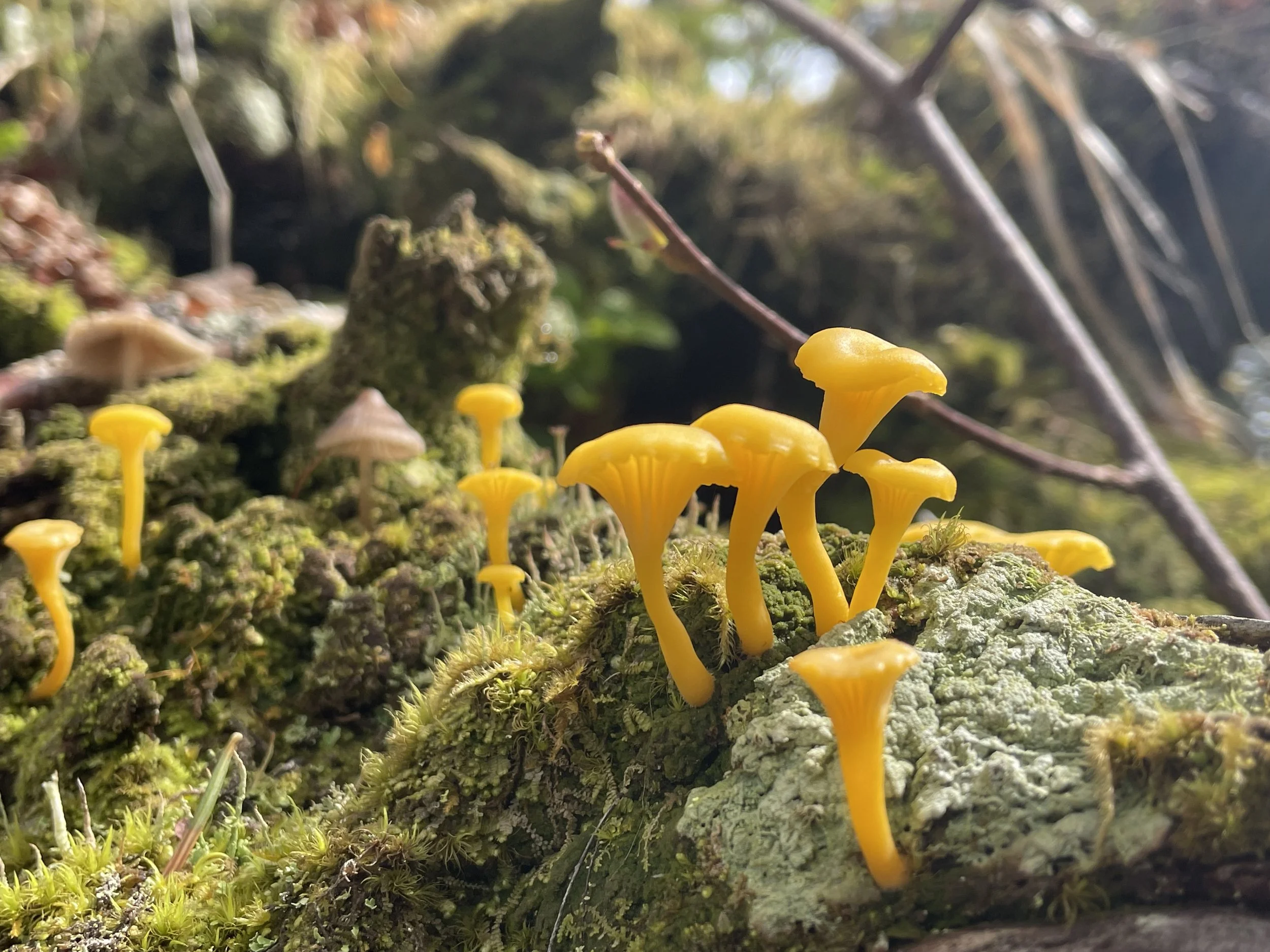
The FUNDIS Rare Fungi Challenges seek to enhance our understanding of these rarely seen fungi. The Challenges are structured to uncover critical information, such as the distribution of target and other fungal species across different regions, their fruiting periods, and their habitats. Additionally, the Challenges investigate how these distributions vary among species and how they are changing over time.

Rocky Mountain Rare Fungi Challenge
Launched Spring 2025
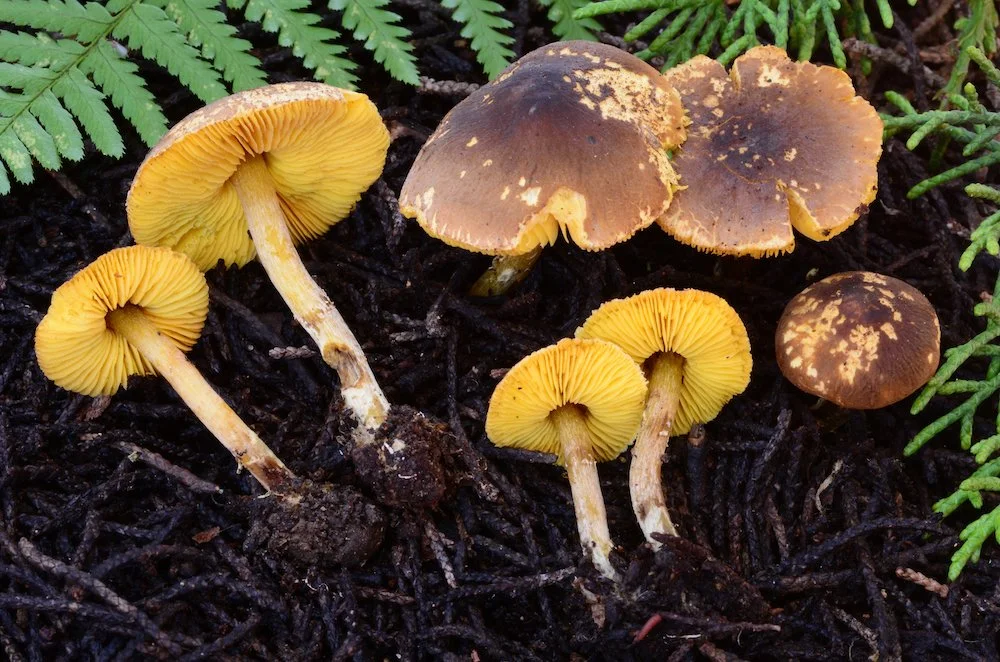
West Coast Rare Fungi Challenge
Launched Fall 2020
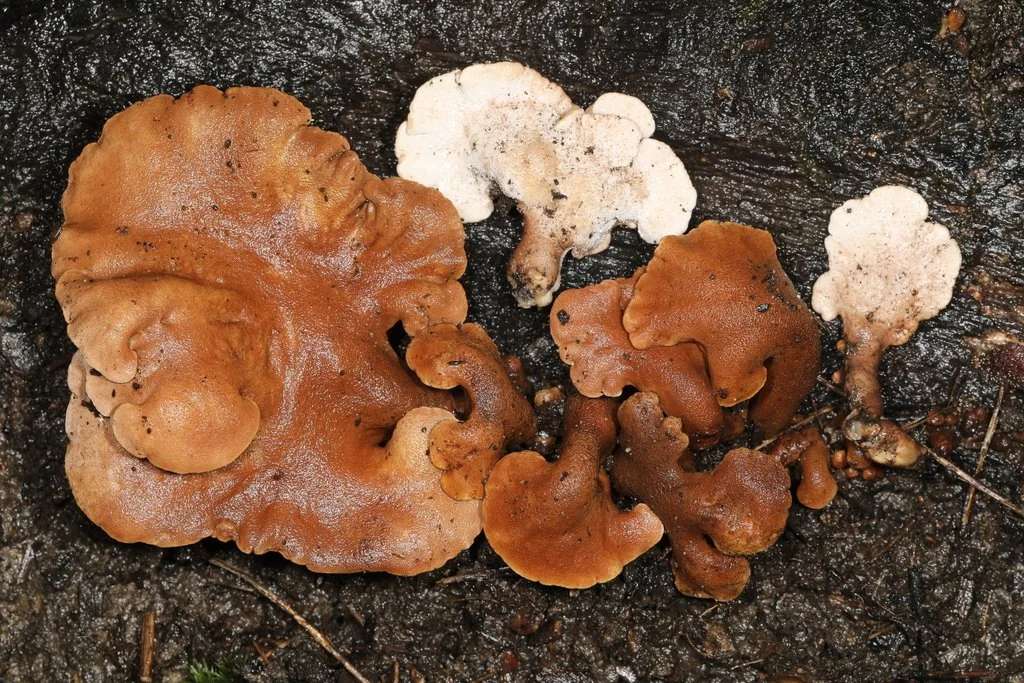
Northeast Rare Fungi Challenge
Launched Fall 2022
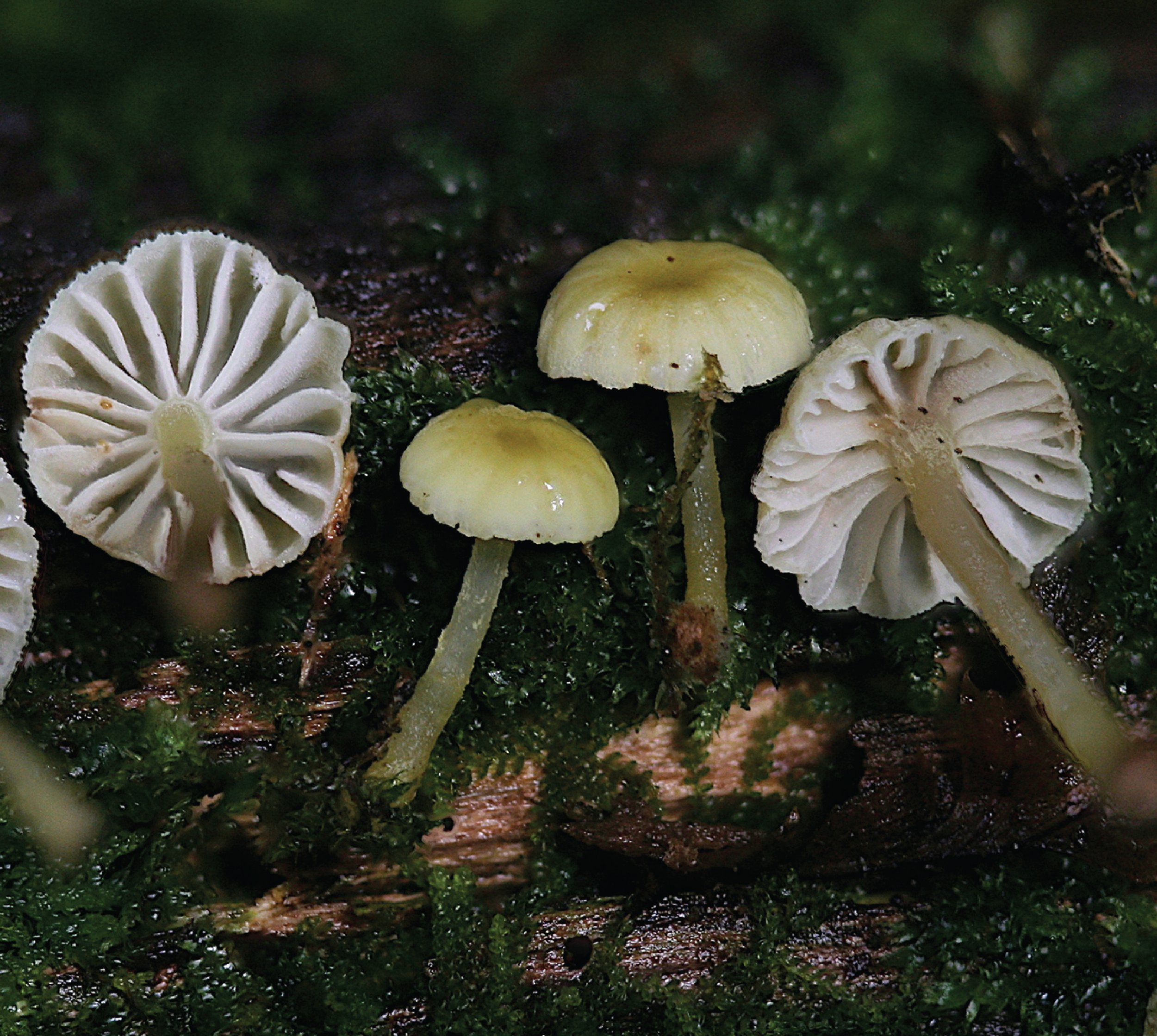
Southeast Rare Fungi Challenge
Launched Fall 2023
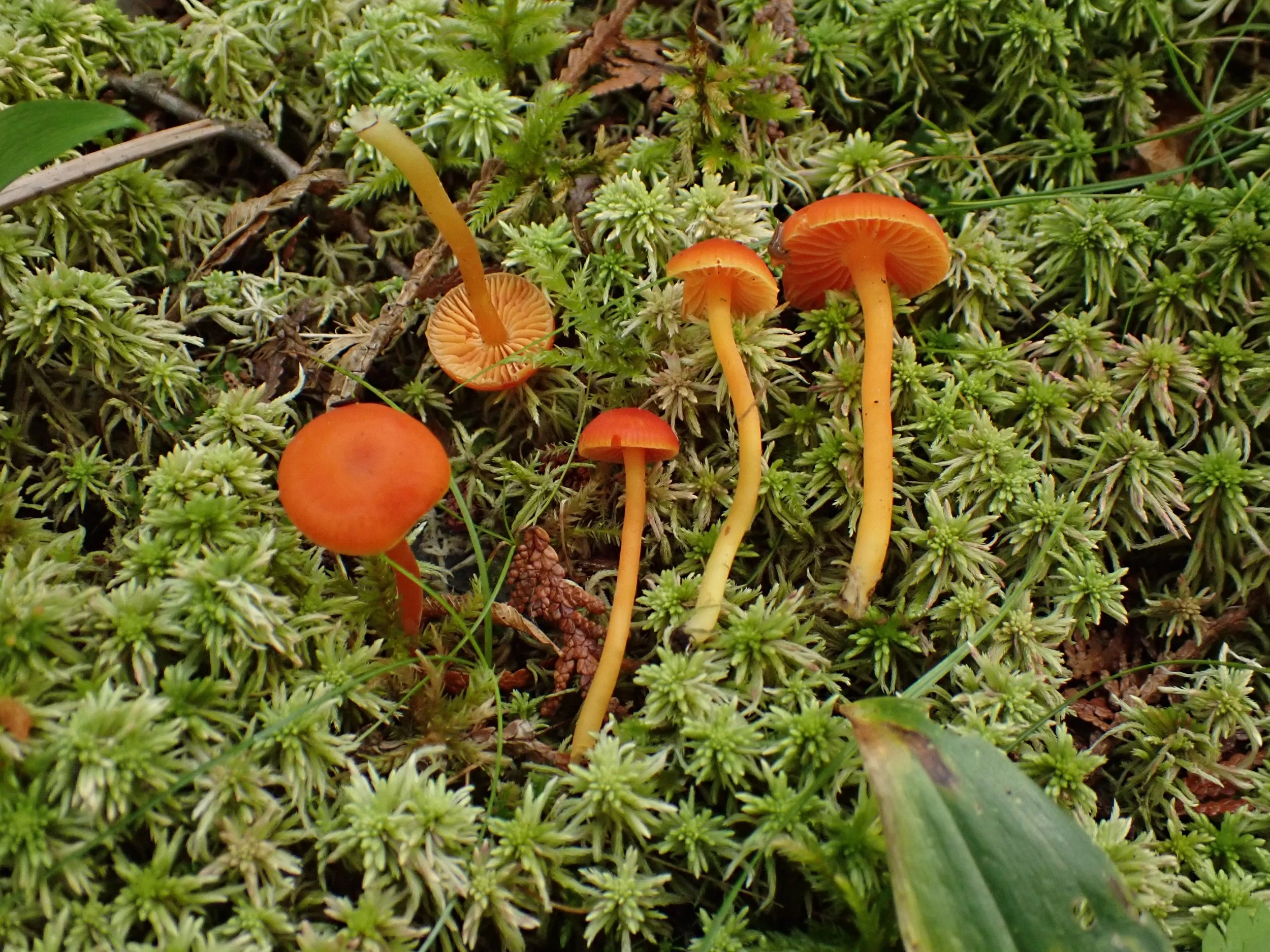
Midwest Rare Fungi Challenge
Launching in 2027
How to collect fungi for Rare Fungi Challenges
Learn the mushrooms
Study the Rare Fungi Challenge Regions and target fungal species before heading into the field. Print or save the materials on your phone for reference if you lose cell service. Find these materials on each Challenge webpage.
Receive land permission
Before heading into the field, ensure you have land permission. FUNDIS and herbaria/fungaria cannot process specimens without it. Know before you go.
Observe, collect & send specimen for DNA sequencing
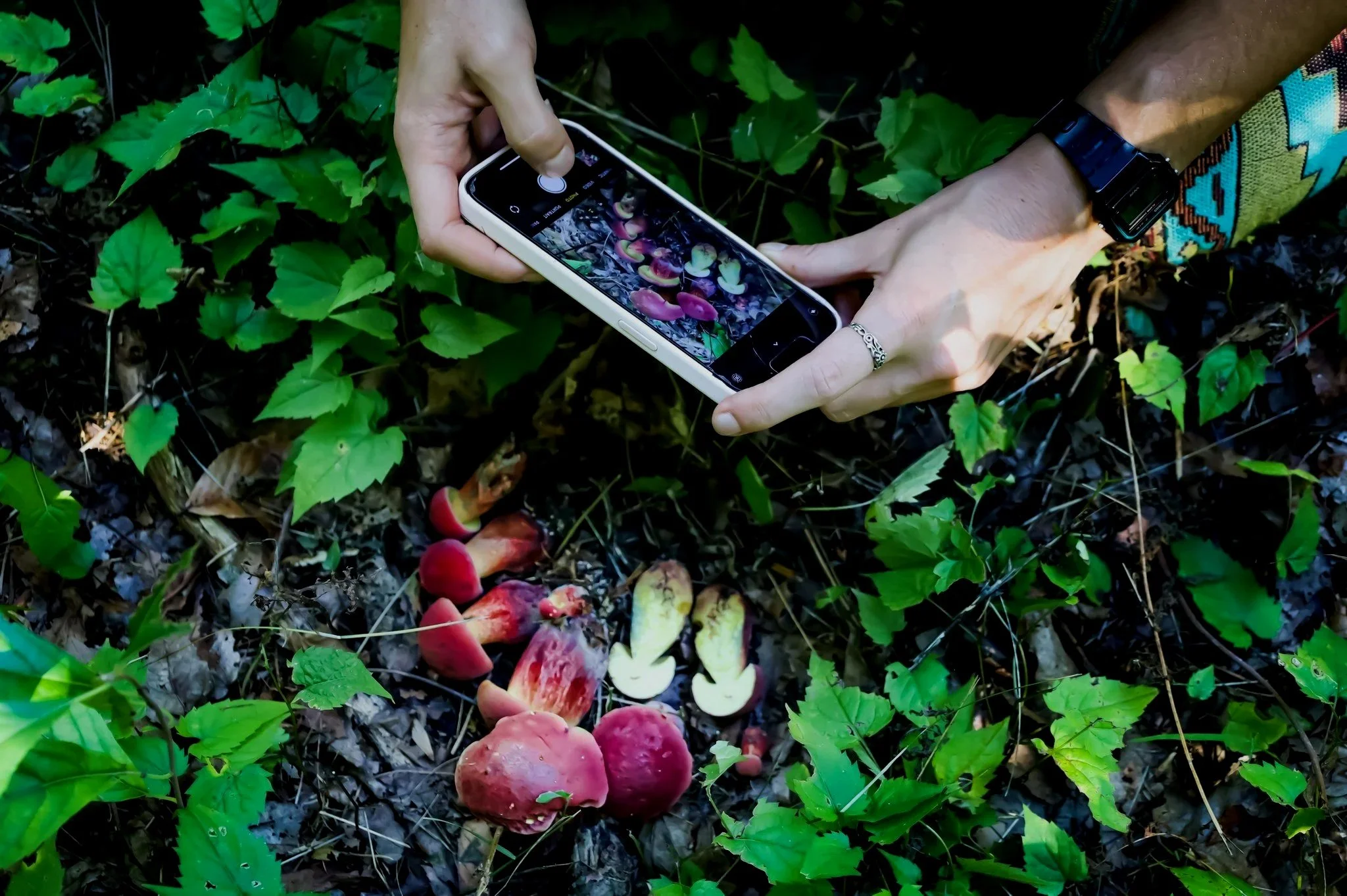
Upload your high-quality observations to iNaturalist or Mushroom Observer and make a high-quality collection. Learn our fungal collection protocol for details on creating high-quality observations and collections, processing your collection at home, and sending us a specimen. It's crucial to collect, dry, and send specimens for DNA sequencing to better understand these species. If possible, consider sending your specimen to a fungarium.
HOW WE USE YOUR OBSERVATIONS
To help coordinators track rare fungi across platforms, observations from our Rare Fungi Challenge projects on iNaturalist are also brought into Mushroom Observer, where coordinators can review them alongside records from other sources in one place. This supports conservation work such as state conservation assessments. Keep posting wherever you prefer; both platforms are supported.
Only photos and notes shared under an open license, such as Creative Commons, are imported. If you’d prefer yours not be included, you can opt out at any time. Mushroom Observer users can use the setting on their profile page, and everyone else can email communications@fundis.org. If you opt out, we keep only a brief reference to each observation, with a link back to iNaturalist.
Document other fungi, too
Documenting other species in this habitat will helps get a better picture of the likely rare or threatened habitat.
Did you know that FUNDIS is interested in all of your high quality fungal observations, not just the rare ones?
Help us understand fungal biodiversity and distribution across North America by adding your observations to the Fungal Diversity Database.